The urgency of climate change and resource depletion has never been clearer. From melting glaciers to intensifying storms, the evidence demands decisive action. Today, nations and communities worldwide are joining forces to pursue the global shift from unsustainable fossil fuel economies. This transformation, known as the Green Transition, offers a roadmap to a resilient, equitable, and thriving future. By combining innovation, finance, and collective purpose, we can align economic development with ecological stewardship and social inclusion, rewriting the rules of prosperity for generations to come.
At its core, the Green Transition promotes renewable energy adoption, energy efficiency, circular practices, and sustainable land use. Beyond mere technology swaps, it embodies a just transition that avoids disproportionate impacts on vulnerable communities. When implemented thoughtfully, this shift enhances public health, stimulates local economies, and reinforces social cohesion, ensuring that no one is left behind as we decarbonize our world.
Understanding the Core of the Green Transition
The Green Transition represents a paradigm shift away from reliance on coal, oil, and gas toward a diversified, low-carbon energy portfolio. It involves widespread deployment of solar, wind, hydro, geothermal, and emerging small modular reactors. Driven by scientific consensus on climate risks and mounting evidence of resource constraints, this change seeks to stabilize global temperatures and safeguard biodiversity.
Complementing energy transformations, circular economy principles like reduce, reuse, and recycle are vital to contain material flows and curb waste. Innovative business models—from product-as-a-service to remanufacturing—are reshaping supply chains and extending the lifespan of critical components. Meanwhile, urban planning integrates green infrastructure such as rooftop gardens, permeable pavements, and mass transit enhancements, creating healthier, more livable cities.
Agricultural systems too are undergoing a renaissance. Regenerative methods, agroforestry, and habitat restoration enhance soil fertility, sequester carbon, and secure livelihoods for farmers. International frameworks and local cooperatives work hand in hand to preserve ecosystems, ensuring that food production strengthens rather than degrades the natural world.
Key Investment Trends Shaping 2025
In 2025, global energy investment hit an unprecedented USD 3.3 trillion, reflecting a steady momentum in climate finance. Remarkably, clean energy spending reached USD 2.2 trillion—twice the investment in clean energy compared to fossil fuels—highlighting a decisive tilt toward renewable technologies.
Electricity-related investments now surpass all fossil fuels combined, propelled by surging demand from data centers, artificial intelligence applications, and electric vehicles. On the demand side, sectors like buildings, transport, and heavy industry channel an estimated USD 800 billion annually into upgrades, retrofits, and electrification measures.
- Record USD 386 billion poured into renewables during the first half of 2025, up 10% year-on-year, with offshore wind leading the way.
- Solar energy dominated with USD 450 billion in total funding, spanning massive utility farms to local rooftop arrays.
- Nuclear investments, buoyed by interest in small modular reactors, surpassed USD 70 billion—a 50% increase over five years.
- Oil and gas expenditure fell below USD 570 billion, marking a 6% decline as capital shifts toward low-carbon alternatives.
- In the United States, clean energy commitments reached USD 75 billion in Q3 alone, pushing the past year’s total to USD 279 billion.
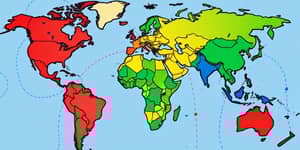
China continues to lead, accounting for 44% of global renewables capacity, while emerging markets in Southeast Asia and Latin America offer abundant growth prospects. Meanwhile, advanced economies leverage digital technologies—smart grids, blockchain tracking, and digital twins—to enhance system efficiency and transparency.
Driving Systemic Change Across Sectors
Achieving a sustainable economy demands a synchronized effort across energy, industry, transportation, agriculture, and waste management. Governments, businesses, and civil society must align objectives and share best practices to foster comprehensive transformation.
- Energy supply modernization and storage solutions ensure stable, flexible grids powered by solar, wind, and other renewables.
- Electrification of transport fleets worldwide reduces emissions from cars, buses, and freight, while boosting energy productivity.
- Circular economy to minimize waste generation keeps materials in productive use, cutting resource depletion and landfill pressure.
- Regenerative agriculture and biodiversity protection help restore ecosystems, sequester carbon, and secure food systems.
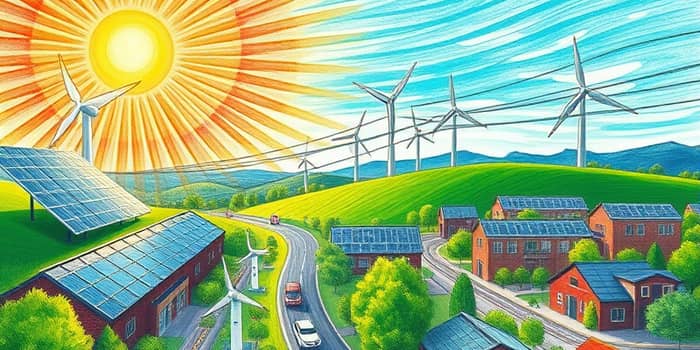
Case studies from forward-thinking cities demonstrate how cross-sector collaboration can succeed. For example, coordinated rooftop solar programs paired with community battery projects have slashed electricity costs and empowered neighborhoods to achieve energy autonomy. In agriculture, farmer cooperatives implementing agroforestry share technical knowledge and access to markets, multiplying both ecological and economic benefits.
Economic Opportunities and Policy Enablers
Investing in green technologies stimulates innovation, job creation, and resilient growth. Studies show that every dollar invested in renewables and efficiency returns multiple times in economic output, offering a compelling value proposition for public and private actors.
Policy mechanisms play a pivotal role in catalyzing private capital and de-risking projects. Key enablers include:
- Competitive auctions and long-term power purchase agreements for renewable energy developers
- Tax credits, grants, and low-interest loans supporting research, manufacturing, and deployment
- Carbon pricing frameworks that internalize environmental costs and incentivize emission reductions
- Regulatory reforms ensuring fair grid access, interconnection standards, and cross-border energy trade
Programs like the European Green Deal set clear emission reduction targets and funnel billions into green infrastructure, while multilateral development banks expand green bond markets to lock in affordable financing. By foster economic resilience and job creation, countries can weather market disruptions and forge a path to sustainable prosperity.
Challenges, Risks, and Practical Solutions
Despite strong momentum, the Green Transition faces complex challenges. Policy uncertainties, tariff disputes, and fluctuating market prices can deter investment. High upfront costs for technologies like offshore wind and grid modernization require robust financing and risk mitigation strategies.
Supply chain vulnerabilities also pose risks. Critical minerals for batteries and solar panels often concentrate in a few regions, creating potential bottlenecks. Addressing this requires diversified sourcing, investment in recycling technologies, and strengthened trade cooperation.
Practical solutions to overcome these barriers include:
- Establishing transparent, long-term policy frameworks to reduce investor risk
- Strengthening local manufacturing, workforce training, and education programs for green technologies
- Encouraging public-private partnerships to share costs and expertise beyond individual sectors
- Implementing robust monitoring and verification systems for environmental integrity
By engaging stakeholders—from indigenous communities to multinational firms—in co-designing projects, decision-makers can build trust, share benefits fairly, and ensure enduring success.
How You Can Contribute Today
Every individual has the power to support the Green Transition. You can:
- Choose renewable energy tariffs or install rooftop solar panels
- Upgrade home insulation and invest in energy-efficient appliances
- Drive less by using public transport, cycling, car-sharing, or switching to an EV
- Reduce, reuse, and recycle to close the material loop and limit waste
- Advocate for local policies and back clean energy champions at the ballot box
For those with financial capacity, consider green bonds or sustainability-focused investment funds. Volunteering with environmental organizations and educating your network amplifies collective impact. Tracking your carbon footprint and setting personal reduction targets can transform awareness into action.
Harnessing emerging tools—like community energy platforms, remote monitoring apps, and peer-to-peer trading networks—can deepen engagement and democratize access to green solutions. Remember, every action counts: small steps multiply into monumental shifts.
Equity through a just transition is more than a slogan—it is a commitment to fairness, dignity, and shared prosperity. By working together, we can ensure that the Green Transition uplifts communities everywhere, unlocking a future where innovation, nature, and human well-being flourish in harmony.
The path ahead challenges us to innovate boldly and commit unwaveringly. Now is the time to invest, advocate, and build—hand in hand—for a sustainable world that benefits all.
References
- https://climate.sustainability-directory.com/term/green-transition/
- https://about.bnef.com/insights/clean-energy/global-renewable-energy-investment-reaches-new-record-as-investors-reassess-risks/
- https://www.nec-initiative.com/understanding-the-ecological-transition-a-pathway-to-sustainable-development/
- https://www.iigcc.org/insights/world-energy-investment-2025-highlights-electricity-demand-and-energy-security-new-drivers
- https://ym.fi/en/what-is-the-green-transition
- https://www.cleaninvestmentmonitor.org
- https://climatepromise.undp.org/news-and-stories/what-sustainable-energy-transition-and-why-it-key-tackling-climate-change
- https://www.weforum.org/stories/2025/12/global-energy-2026-growth-resilience-and-competition/
- https://www.ebrd.com/home/who-we-are/ebrd-values/ebrd-transition/green-transition-concept.html
- https://bcse.org/2025-sustainable-energy-in-america-factbook/
- https://www.irena.org/Publications/2025/Jul/Renewable-energy-statistics-2025
- https://reform-support.ec.europa.eu/what-we-do/green-transition_en
- https://www.eesi.org/briefings/view/040125factbook
- https://www.oecd.org/en/publications/environment-at-a-glance-indicators_ac4b8b89-en/full-report/component-8.html