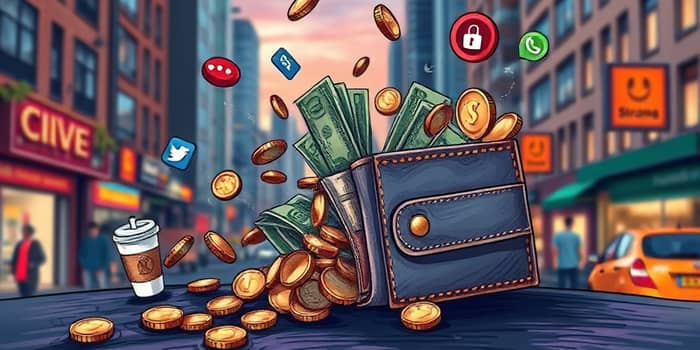
Modern life thrives on small, recurring daily expenses that promise to save time and effort. Yet these conveniences often drain our wallets more than we realize, creating economic leaks via drip pricing and hidden fees.
From specialty coffees and fast food delivery to one-click shopping and subscription services, each transaction seems minor. But over weeks and months, those dollars add up, undermining budgets and financial goals. By understanding these hidden costs, consumers can reclaim control and redirect resources toward meaningful priorities.
Spending Leaks in Daily Habits
Routines are fertile ground for unnoticed spending:
- Specialty coffee purchases from drive-throughs and cafes
- Daily takeout lunches or snacks on the go
- Impulse one-click buys and digital downloads
- Frequent streaming and entertainment subscriptions
Consider that a $5 coffee each morning becomes $1,200 per year. Swapping to a home-brewed alternative saves time and money. Convenience stores charge up to 2.5 times more for basic items, turning quick stops into expensive habits.
By identifying these patterns, you can adjust routines: brew coffee at home, pack lunches, and limit impulse buys. Tracking just one category for 30 days reveals its true impact.
Delivery and Fast Food Fees
Food delivery platforms advertise speed and variety but tack on multiple charges:
Service fees, delivery fees, surge pricing, and mandatory tips can inflate orders by more than forty percent. A $20 dinner suddenly costs $28 at checkout, and you may barely notice until you review monthly statements.
- Order pickup to avoid delivery fees
- Use loyalty apps and promo codes
- Plan meals with simple meal prep
- Stock easy, healthy snacks at home
Fast food alone averages $148 per person each month in the U.S., totaling nearly $1,800 annually. Treat delivery as an occasional luxury, not a daily solution, to curb these expenditures.
Rideshares and Transportation Convenience
Platforms like Uber and Lyft revolutionized urban transport but introduced hidden surge pricing and fees that accumulate. In major cities, monthly rideshare bills can reach $100 or more, especially during peak hours.
Alternatively, consider public transit or carpooling for routine commutes. For special occasions, budget rideshare costs in advance and track total spend with a dedicated travel app.
Subscriptions and Auto-Drafts
Auto-renewal is built for retention, not for your savings. Households often carry unused streaming services, fitness memberships, and specialty boxes that continue billing month after month.
Regularly audit your bank statements to spot recurring charges. Cancel dormant subscriptions and negotiate downgrades. Here’s an overview of potential savings:
These figures show that cutting just a couple of unused services can free up hundreds of dollars each year for investments or emergency funds.
Online Shopping and Impulse Buys
Frictionless checkout features like one-click purchasing and two-day shipping tempt irritation-free buying, yet they lead to returns, regrets, and markup costs hidden in shipping and handling.
Frictionless features encourage overspending by minimizing the mental “pause” before purchase. Buy-Now-Pay-Later plans break costs into installments but often incur interest and late fees when timelines slip.
To combat these impulses, add a “cooling-off” step: wait 24 hours before completing non-essential purchases. Unsubscribe from marketing emails, disable one-click payments, and uncheck auto-renew options at checkout.
Drip Pricing and Hidden Fees
Many sectors have adopted drip pricing—advertising a base rate and revealing mandatory fees late in the process. From airline tickets and hotels to event tickets, consumers face “convenience fees,” resort surcharges, and processing costs.
Research indicates 85% of customers encounter these surprise fees, and 96% dislike them. Yet most accept them rather than challenge pricing practices. When you spot add-on fees, politely question them; consumer advocacy studies show a two-thirds success rate in fee removal when customers object.
Psychological and Societal Costs
Beyond dollars, convenience fosters a convenience illusion—the belief that multitasking and constant availability are sustainable. This mindset increases stress, anxiety, and burnout as individuals juggle software updates, notifications, and labor outsourced to algorithms.
Smart home devices touted as “time-savers” often require hours of setup and ongoing troubleshooting. Driverless cars, while futuristic, rely on imperfect AI that can disrupt lives and safety. Meanwhile, behind every on-demand service are workers who face unpredictable schedules and insufficient protections.
Strategies for Reclaiming Control
By adopting mindful habits and strategic audits, you can patch the leaks and build stronger financial health:
- Track all expenses, including small daily costs
- Review bank statements for recurring drafts
- Implement pricing comparison before purchases
- Set specific budgets for food delivery and rideshares
- Establish a 24-hour waiting period for impulse buys
Small changes compound over time. Redirect savings toward debt repayment, retirement accounts, or personal development. Viewing convenience not as an unquestioned right but as a choice empowers you to decide which services truly add value.
In a world racing toward instant everything, pausing to evaluate the true cost of convenience offers a path to greater financial resilience and intentional living. By plugging the leaks today, you invest in a future where value, not mere speed, shapes your choices.
References
- https://connect.extension.org/blog/understanding-the-cost-of-convenience
- https://www.youtube.com/watch?v=fb9QMd36TGQ
- https://www.moneylion.com/learn/hidden-costs-of-convenience/
- https://www.cbsnews.com/news/hidden-fees-cars-hotels-restaurants-inflation-drip-pricing/
- https://josebriones.substack.com/p/the-hidden-costs-of-convenience
- https://blog.sunsetfinance.net/the-creepy-cost-of-convenience
- https://www.aarp.org/money/personal-finance/hidden-cost-items/