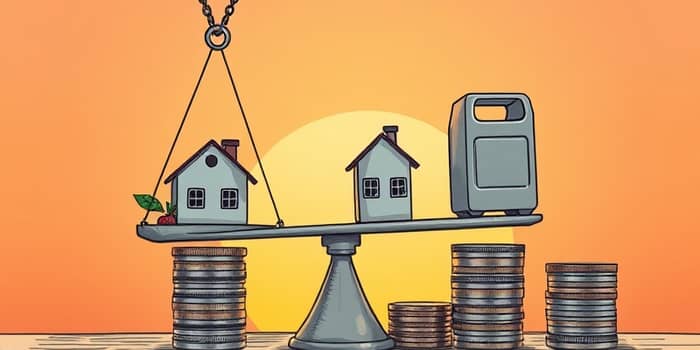
As prices rise across the board, households and investors alike face the challenge of preserving the real value of their money. By understanding core concepts and employing smart strategies, you can shield your savings from relentless inflation and maintain financial stability.
Understanding Key Definitions
Before diving into tactics, it’s essential to grasp the fundamentals that drive inflation and purchasing power.
Inflation is the general rise in prices of goods and services over time, which reduces the purchasing power of money. When inflation runs at 3.8% annually, each dollar buys fewer goods than it did a year ago.
Purchasing power refers to the value of currency expressed in the amount of goods or services one unit of money can buy. As prices climb, your income or savings may not keep pace, causing gradual erosion of everyday budgets.
Real vs nominal returns distinguish between gains before and after adjusting for inflation. A savings account paying 0.25% interest during 2% inflation yields a negative real return and erosion of wealth over time.
Headline vs core inflation tell two sides of the story: headline includes all items such as volatile food and energy, while core excludes those to reveal underlying trends.
The Consumer Price Index (CPI) measures average price changes paid by urban consumers. It tracks a representative basket of goods and services and underpins most inflation statistics.
Current Inflation Landscape
In the 12 months ending April 2026, U.S. headline inflation stood at 3.8%, with core inflation at 2.8%. Over the year ending January 2026, CPI rose by 2.4%, indicating a cooling from peak levels yet still above the Federal Reserve’s 2% target.
At a 3.81% inflation rate, $1 in 2025 is equivalent to about $1.03 in 2026, meaning purchasing power has declined by roughly 3.8%. Historical spikes—from 3.2% in 2011 to 8.3% in 2022—underscore how quickly costs can mount.
Researchers at the Peterson Institute warn inflation may exceed 4% by late 2026, driven by high deficits, supply pressures, and rising expectations. Such projections make protecting your purchasing power all the more urgent.
Why Inflation Matters to You
Inflation isn’t an abstract statistic; it touches every facet of daily life and long-term plans. Key impacts include:
- Erosion of savings: Even a 3% rate can slash purchasing power by nearly 25% over a decade.
- Cost-of-living pressures: Housing, food, insurance, and transportation often outpace headline CPI, squeezing household budgets.
- Higher withdrawals for retirees: Maintaining lifestyle means drawing more from portfolios, hastening depletion of retirement funds.
- Variable-rate debt costs: Credit cards and adjustable loans become more expensive as rates climb.
Underlying Drivers of Inflation
Several interconnected factors explain why inflation lingers and may rise again:
- Monetary expansion: Central banks’ increased money supply can fuel price growth if it outpaces production.
- Fiscal deficits: Government borrowing above 7% of GDP adds demand that can push prices up.
- Tight labor markets and restrictions on immigration: Limited worker supply supports higher wage growth and cost-push inflation.
- Tariffs and supply shocks: Disruptions in global trade and logistic bottlenecks lead to elevated costs.
- Inflation expectations: When businesses and consumers expect higher prices, they act in ways that reinforce inflation.
How Inflation Shows Up in Daily Life
You may notice your weekly grocery bill rising by 10–15% even if official inflation is reported at 3–4%. That’s shrinking grocery baskets for same price in action.
Rent increases and home prices often outpace general inflation. While a fixed-rate mortgage keeps payments constant, maintenance and insurance costs still climb.
Fuel and vehicle expenses jump with energy market swings, affecting commuting costs and consumer goods transport fees.
Insurance premiums and healthcare costs frequently rise faster than headline CPI, putting additional strain on budgets.
Strategies to Shield Your Finances
Protecting your purchasing power demands a combination of budgeting, saving, and investing approaches. Consider these steps:
- Track and analyze spending over the past 3–6 months to spot rising categories.
- Trim and reallocate expenses: switch brands, renegotiate subscriptions, and adopt energy-saving habits.
- Lock in costs where possible: secure fixed-rate mortgages, renew leases early, and negotiate service contracts.
- Build an emergency fund covering 3–6 months of essentials in high-yield savings or short-term Treasuries.
- Pay down variable-rate debt first to avoid accelerating depletion of retirement savings through rising interest charges.
- Use cash-back rewards credit cards wisely, ensuring full monthly repayment.
- Plan retirement on real, inflation-adjusted spending needs and consider delayed Social Security to boost future benefits.
Building a Resilient Financial Future
Inflation may seem like an unstoppable tide, but well-informed planning and proactive adjustments can turn the tide in your favor. By combining disciplined budgeting with strategic investments, you safeguard both short-term stability and long-term growth.
Remain vigilant about emerging trends and ready to adjust your approach as economic conditions evolve. In doing so, you’ll not only protect your buying power today, but also pave the way for a financially secure tomorrow.
References
- https://creativeplanning.com/insights/investment/portfolio-counteract-inflation/
- https://www.in2013dollars.com/inflation-rate-in-2026
- https://privatebank.jpmorgan.com/apac/en/insights/markets-and-investing/tmt/beyond-bonds-how-to-protect-against-inflation-led-shocks
- https://www.usinflationcalculator.com/inflation/current-inflation-rates/
- https://www.fidelity.com/learning-center/personal-finance/how-to-beat-inflation
- https://usafacts.org/answers/what-is-the-current-inflation-rate/country/united-states/
- https://naga.com/en/academy/inflation
- https://www.piie.com/blogs/realtime-economics/2026/risk-higher-us-inflation-2026
- https://www.americancentury.com/plan/inflation/
- https://www.bls.gov/opub/ted/2026/consumer-prices-up-2-4-percent-over-the-year-ended-january-2026.htm
- https://www.unfcu.org/financial-wellness/protect-your-money-during-high-inflation/
- https://www.statista.com/statistics/273418/unadjusted-monthly-inflation-rate-in-the-us/
- https://www.schwab.com/learn/story/tips-and-inflation-what-to-know-now
- https://tradingeconomics.com/united-states/inflation-cpi
- https://www.youtube.com/watch?v=9US4qKviaw0