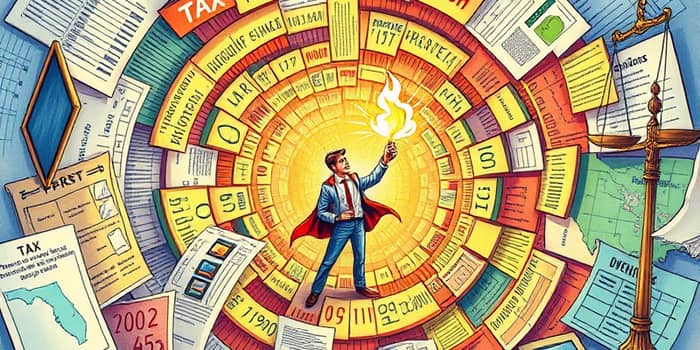
Taxes are more than just numbers and deadlines; they represent a sprawling maze of federal, state, business, and personal rules. For many, each filing season triggers anxiety and confusion rather than clarity. Yet beneath the surface of this intricate system lies a coherent logic built over decades to achieve competing policy goals.
Why Taxes Are So Complex
The U.S. tax code is often described as the most complex tax code of any country. This complexity is not accidental but structural, reflecting layers of laws added to meet distinct objectives: raise revenue, promote fairness, ensure economic efficiency, influence behavior, and remain enforceable.
Every time Congress addresses a perceived burden, promotes an industry, or targets a social policy, it adds new provisions, schedules, or exceptions. The result is an Internal Revenue Code with more than 800 types of tax forms and schedules. Additionally, separate rules exist in all 50 states, with 41 states imposing income taxes on individuals, two more taxing savings income, and six levying inheritance taxes.
Where Complexity Shows Up
Individuals face challenges ranging from investment income to estate planning. High-net-worth and ultra-high-net-worth taxpayers juggle dividends, capital gains, real estate profits, and cross-border assets. For many families, estate and gift considerations become a year-round endeavor rather than a simple tax-season event.
Businesses grapple with digital transformation and remote work requirements. Subscription models, cloud-based services, and cross-border operations trigger new nexus rules and global minimum tax obligations. Multi-state operations require constant vigilance over sales tax, use tax, property tax, and sometimes gross receipts taxes.
Cross-border activity magnifies complexity with transfer pricing rules, foreign tax credits, and constantly evolving treaties. Whether you are a solo entrepreneur selling online or a multinational corporation, the layers of rules can feel overwhelming.
The Real Cost of Complexity
The burden of compliance often outweighs the taxes themselves. Companies and individuals spend thousands on software, expert advice, and internal controls. Missed deadlines or errors can trigger audits, penalties, and interest—sometimes years after the original filing.
Compliance is becoming a central theme for governments and advisors alike. The IRS generally has three years from filing to assess additional tax, extends to ten years to collect unpaid balances, and allows only 90 days to petition the Tax Court after a deficiency notice. Understanding these timelines is as critical as understanding the underlying tax obligations.
How to Navigate the Maze
While the system may feel daunting, taxpayers can take practical steps to reduce uncertainty and risk. Key strategies include:
- Maintaining organized, audit-ready documentation
- Leveraging modern compliance software and cloud-based recordkeeping
- Conducting regular nexus reviews across states
- Seeking expert guidance from specialized advisors
- Proactively planning for investments, estates, and digital operations
Expert guidance is essential when handling audits, back taxes, amendments, or complex transactions. A trusted advisor helps interpret rules, apply best practices, and file accurate returns on time.
Toward a Tamed Tax System
Reforming this labyrinthine system is a monumental task, but experts suggest six directions for improvement:
- Tax existing capital while incentivizing new investment
- Fix international taxation to limit avoidance and profit shifting
- Harmonize capital taxation across income sources
- Reduce distortive individual tax preferences
- Encourage labor force participation through targeted credits
- Enhance compliance with stronger enforcement and taxpayer support
A truly tamed tax system would balance simplicity with enforceability, preserving fairness and policy goals while shedding unnecessary complexity.
Ultimately, navigating taxation requires both a strategic mindset and tactical precision. By understanding the underlying logic, leveraging advanced tools, and enlisting expert help, taxpayers can transform a daunting maze into a manageable roadmap.
References
- https://thewashingtonco.com/navigating-complex-tax-situations-with-expert-guidance/
- https://www.brookings.edu/articles/6-ways-to-fix-the-tax-system-post-tcja/
- https://tax.thomsonreuters.com/blog/navigating-tax-complexity-in-a-digital-age-a-cheat-sheet-for-chief-transformation-officers/
- https://www.btcpa.net/insights/state-and-local-tax-issues-key-challenges-and-best-practices
- https://www.carsonwealth.com/insights/blog/tax-compliance-and-risk-management-navigating-complex-tax-environments/
- https://www.myirsteam.com/blog/common-irs-problems-and-examples-of-what-taxpayers-should-know/
- https://taxpolicycenter.org/briefing-book/why-are-taxes-so-complicated
- https://ultimatetax.com/blog/biggest-challenges-that-you-face-as-a-tax-professional/
- https://www.wolterskluwer.com/en/expert-insights/multi-state-tax-complexity-in-2026
- https://blog.turbotax.intuit.com/tax-news/tax-problems-54000/
- https://cpeonline.com/understanding-complex-nuances-in-income-taxes-key-insights-cpas
- https://www.irs.gov/help/find-information-on-complex-tax-topics
- https://www.henleyglobal.com/publications/usa-wealth-report-2024/complexities-us-taxation-relocating-investors
- https://www.youtube.com/watch?v=cLDpp5VxEFg
- https://www.nasdaq.com/articles/decoding-tax-complexity-navigating-us-tax-laws-strategic-preparation-and-nasdaq-100-index