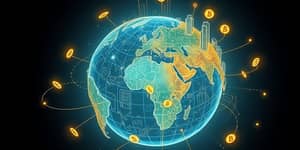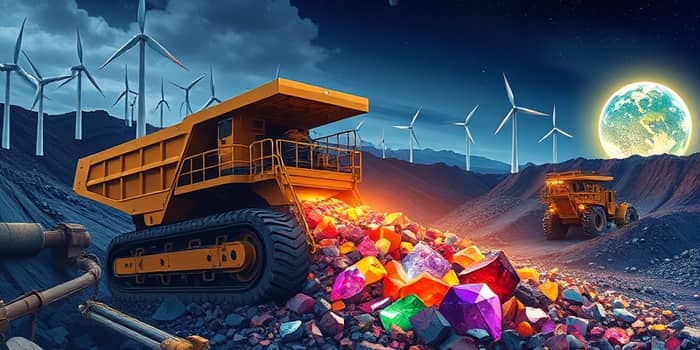
In an era defined by decarbonization and digitalization, the global competition for raw materials has reached unprecedented heights. Nations and corporations alike are scrambling to secure supplies of metals, minerals and elements essential for electric vehicles, renewable energy systems, semiconductors and advanced defense technologies. This narrative is not simply about supply and demand; it reflects a broader transformation in geopolitics, economics and environmental stewardship that will shape the 21st century.
Since 1970, global material extraction surged by 235%, rising from one level to a staggering 104 billion tonnes in 2024. Industrialization across Asia accelerated this trend after 2003, driving particularly strong growth in non-renewable materials. As the transition to clean energy intensifies, the stakes in this resource race have never been higher — for prosperity, security and the planet’s future.
Global Growth in Raw Material Extraction
Between 1970 and 2024, non-renewable materials such as industrial minerals and metal ores grew at a blistering pace. Extraction of these key inputs rose by approximately 429%, outpacing even the impressive 114% increase in biomass resources used for agriculture, forestry and energy. This imbalance underscores the urgent need to manage scarce resources more effectively.
The market for metals and minerals was valued at about USD 8.43 trillion in 2024 and is forecast to expand to nearly USD 10.7 trillion by 2029. Within this vast market, iron ore, steel, copper and aluminum remain the largest segments. However, critical and battery metals drive growth, driven by surging demand for lithium, nickel and cobalt in electric vehicle batteries and energy storage systems.
Geography of Extraction and Consumption
Today, Asia accounts for almost 60% of global material extraction, with China alone responsible for roughly one-third. Over the past five decades, China’s output of metal ores increased by over 3,500%, while its minerals extraction jumped nearly 3,900%. This dominance extends to refining and consumption, giving Asia-Pacific immense leverage over global trade flows and pricing.
Meanwhile, Europe and North America have witnessed declining shares of raw material extraction, turning increasingly to imports for both raw materials and finished goods. Infrastructure demands and diminishing domestic reserves have made these regions vulnerable to supply disruptions and market fluctuations.
Latin America and Africa have emerged as crucial suppliers of copper, iron ore, lithium, cobalt and manganese. Despite significant increases in extraction volumes, these regions have yet to translate resource wealth into proportional economic development, often remaining as exporters of raw commodities rather than higher-value products.
Drivers of the Resource Race
The contest for raw materials is fueled by multiple global trends. First, the energy transition creates massive new demand for metals and minerals to build wind turbines, solar panels, electric vehicles and battery storage. Second, the rapid spread of digital technologies and AI drives requirements for high-purity silicon, copper cabling and rare earth magnets. Third, demographic shifts and rising living standards increase consumption of consumer goods, infrastructure and construction materials around the world.
- Critical to the energy transition: Copper, lithium and cobalt enable electrification and renewable power generation.
- Digitalization and AI: Data centers and communication networks boost demand for high-tech materials.
- Population growth and urbanization: Cement, steel and aggregates support expanding cities and infrastructure.
The Geopolitical Dimension
Raw materials are no longer mere commodities; they have become strategic assets in global power struggles. Nations are employing export restrictions, tariffs and local-content rules to protect domestic industries and secure critical supply chains. This resource nationalism raises the risk of fragmented markets and geopolitical flashpoints over access to essential inputs.
The concentration of refining capacity—particularly in China—amplifies vulnerability. For many transition-relevant materials, the EU is 100% import-dependent, with nearly all processed rare earth elements and magnesium sourced from a single country. As a result, policymakers are scrambling to develop strategies that bolster resilience without undermining economic efficiency.
Case Study: The EU’s Critical Raw Materials Act
The European Union’s Critical Raw Materials Act (CRMA) represents a landmark attempt to rebalance supply chains and address strategic vulnerabilities. By setting non-binding benchmarks for 2030, the CRMA aims to ensure that at least 10% of annual consumption is mined within the EU, 40% is processed domestically and 25% derives from recycled sources.
Despite these ambitions, the act faces criticism for its incomplete foundations for net-zero. The EU conducts only 2–3% of global exploration spending, slowing the discovery of new deposits. Lengthy permitting processes and limited domestic refining capacity mean that achieving these targets will require sustained investment and regulatory reform.
Strategies for Sustainable Sourcing
To thrive in the resource race, governments and businesses must pursue holistic strategies that balance security, sustainability and competitiveness. Diversifying supply chains, boosting recycling rates and promoting innovation in low-impact extraction can reduce dependency on any single region or supplier.
- Expand regional partnerships and supplier networks to mitigate concentration risks.
- Invest in recycling infrastructure and circular economy models to reclaim metals and minerals from end-of-life products.
- Develop research programs for alternative materials and more efficient mining techniques.
Conclusion
The contest for critical raw materials will shape the trajectory of the energy transition, digital revolution and global economic order. While the challenges are formidable—ranging from geopolitical tensions to environmental impacts—the potential rewards are equally profound: a cleaner, more connected and resilient world.
By fostering international cooperation, embracing technological innovation and committing to supply chain resilience and sustainability, nations and industries can transform the resource race from a zero-sum game into a catalyst for shared prosperity and environmental stewardship.
References
- https://ec.europa.eu/commission/presscorner/detail/en/speech_25_1230
- https://www.mckinsey.com/industries/energy-and-materials/our-insights/global-materials-perspective
- https://www.csis.org/analysis/winning-minerals-race-requires-building-demand-not-just-supply
- https://m-a-worldwide.com/global-raw-materials-metal-trends-and-forecasts-2025/
- https://www.miningvisuals.com/post/the-eu-s-race-for-critical-raw-materials-navigating-supply-risks
- https://www.materialflows.net/global-trends-of-material-use/
- https://eumicon.com/podcast/the-geopolitics-of-resources-a-global-chess-game
- https://textileexchange.org/knowledge-center/reports/materials-benchmark-insights-and-trends-2025/
- https://minexforum.com/eu-warns-critical-raw-materials-race-is-becoming-a-global-power-struggle/
- https://www.oecd.org/en/publications/2025/09/economic-security-in-a-changing-world_78f3b129/full-report/special-focus-critical-raw-materials-supply-chains_daf99c07.html
- https://www.youtube.com/watch?v=1b7Zi99jLXk