The world is entering a transformative era where people aged 50 and over are not just living longer—they are shaping entire markets, driving innovation, and redefining the way we think about aging. This article explores how to harness this burgeoning "longevity economy,” offering practical strategies for businesses, policymakers, and communities to thrive.
Defining the Longevity Economy
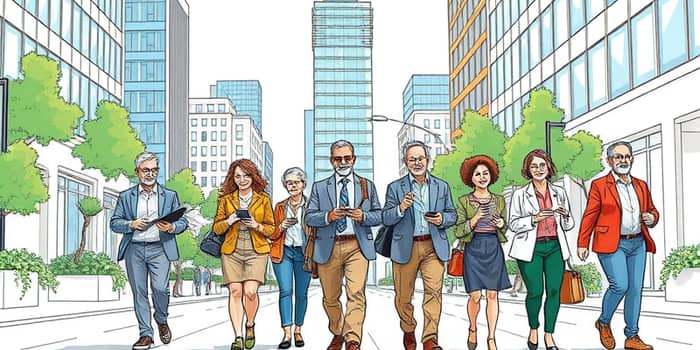
At its core, the longevity economy encompasses the economic contributions of people aged 50 and over, including their roles as workers, consumers, entrepreneurs, investors, and caregivers. Traditionally framed as a potential burden — the so-called "demographic time bomb" — the narrative is shifting. With extended health spans and renewed engagement in the workforce, older adults present new demand, productivity, and innovation opportunities.
Leading organizations like AARP and Brookings now highlight the distinct spending patterns, asset profiles, and labor behaviors of this demographic. From increased healthcare and housing needs to flexible encore careers, the 50+ cohort creates identifiable markets that are large, profitable, and growing.
Global Demographic Shifts
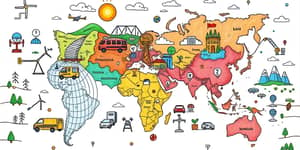
Over the past half-century, global life expectancy has surged from 62 to 75 years. In high-income economies, it climbed from 72 to 82 years. Meanwhile, fertility rates plummeted from a global high of 5.4 births per woman in 1963 to roughly 2.1 today. As a result, the proportion of people aged 60 and above rose from 8% in 1950 to 10% in 2000, with projections reaching 21% by 2050.
Regionally, developed nations face deepening aging curves, while many developing economies will "become old before they become rich," reversing historical patterns. Urbanization compounds these shifts: by 2050, two-thirds of the global populace will live in cities, reshaping demand for age-friendly infrastructure and services.
Economic Impacts and Opportunities
Population aging poses macroeconomic headwinds. Studies estimate a reduction in GDP growth of 0.5–1.0 percentage points annually, and a 10% increase in the share of those aged 60+ correlates with a 5.7% per capita GDP decline. Old-age dependency and fiscal pressures on pensions and healthcare loom large.
Yet, offsetting mechanisms are at play. In developed economies, average effective working lives have risen by 12% since 2000, boosting the share of life spent in the labor force from 44% to 47%. Productivity gains through capital investment and technology adoption can counterbalance demographic drags, though they demand robust retraining and social policies to avoid worker displacement.
Today, the 50+ population contributes roughly $45 trillion to global GDP—about one-third of total output—and accounts for 42% of consumer spending. Within this, those aged 65+ are the fastest-growing spending cohort, with aggregate spending growth projected at 6–6.5% annually over the next decade. The expansion of the 50+ consumer class is heavily concentrated in ten emerging markets, predominantly in Asia, adding some 700 million new consumers by 2040.
Strategies to Harness the Longevity Economy
To capitalize on these dynamics, stakeholders must adopt forward-looking strategies across sectors:
- Design age-inclusive products and services—healthcare devices, housing, mobility solutions—tailored to evolving needs.
- Invest in lifelong training and flexible work models that support longer, healthier lives and extended working years.
- Leverage technology and automation to boost productivity while upskilling older workers.
- Develop financial products—reverse mortgages, annuities, longevity insurance—aligned with asset profiles and retirement goals.
- Create urban environments that foster walkability, accessibility, and social engagement for seniors.
Policymakers must also recalibrate retirement ages, incentivize private savings, and fund public health initiatives that extend productive lifespans. Immigration and diversity can buffer demographic shifts: in the United States, Hispanic population growth and a relatively large millennial cohort help sustain labor forces.
Practical Steps for Businesses and Communities
For corporate leaders, capturing the longevity economy requires:
- Data-driven segmentation—understanding the nuanced preferences and behaviors of 50+ consumers.
- Cross-generational marketing campaigns that celebrate aging as a stage of opportunity, not decline.
- Partnerships with healthcare providers, insurers, and local governments to co-create ecosystems of support.
Community organizations and local governments can:
- Create intergenerational programs that harness the skills and experience of older adults as mentors and volunteers.
- Adapt public transport, housing codes, and digital services to be age-friendly.
- Launch entrepreneurship incubators and co-working spaces for senior entrepreneurs.
By implementing these measures, regions can transform demographic challenges into engines of growth, innovation, and social cohesion.
A Call to Action
The longevity economy is no longer a niche concern—it is a defining force of 21st-century growth. Stakeholders who recognize and respond to its potential will reap substantial rewards. This requires a paradigm shift: from viewing aging as a cost center to embracing it as a source of resilience, creativity, and sustainable prosperity.
As businesses pivot to serve an aging marketplace, policymakers design inclusive frameworks, and communities foster age-positive cultures, the world will unlock the full promise of extended lifespans. The future belongs to those who invest today in the people, policies, and products that empower older adults to lead vibrant, productive lives.
References
- https://www.goldmansachs.com/insights/articles/aging-population-not-a-risk-to-the-global-economy-after-all
- https://www.brookings.edu/articles/global-aging-the-almost-invisible-crisis-shaping-our-future/
- https://www.brookings.edu/articles/the-age-of-the-longevity-economy/
- https://cri.georgetown.edu/what-does-an-aging-population-mean-for-economic-growth-and-investing/
- https://www.worldbank.org/en/topic/health/publication/unlocking-power-healthy-longevity
- https://siepr.stanford.edu/publications/working-paper/effect-population-aging-economic-growth
- https://pmc.ncbi.nlm.nih.gov/articles/PMC4468229/
- https://pmc.ncbi.nlm.nih.gov/articles/PMC9445535/
- https://www.weforum.org/videos/the-longevity-economy-building-a-future-for-all-generations/
- https://www.aarp.org/pri/topics/work-finances-retirement/economics-aging/global-longevity-economy/